Local fishers are reporting an increase in both the size and overall abundance of several fish species across Guam’s reef waters following the 2020 ban on SCUBA spearfishing, according to observations shared during a recent Fisher Forum hosted by community science initiative Guihan for Guåhan.
In March 2020, the Governor signed into law Public Law 35-53, making it illegal to use SCUBA gear while spearfishing in the island’s waters.
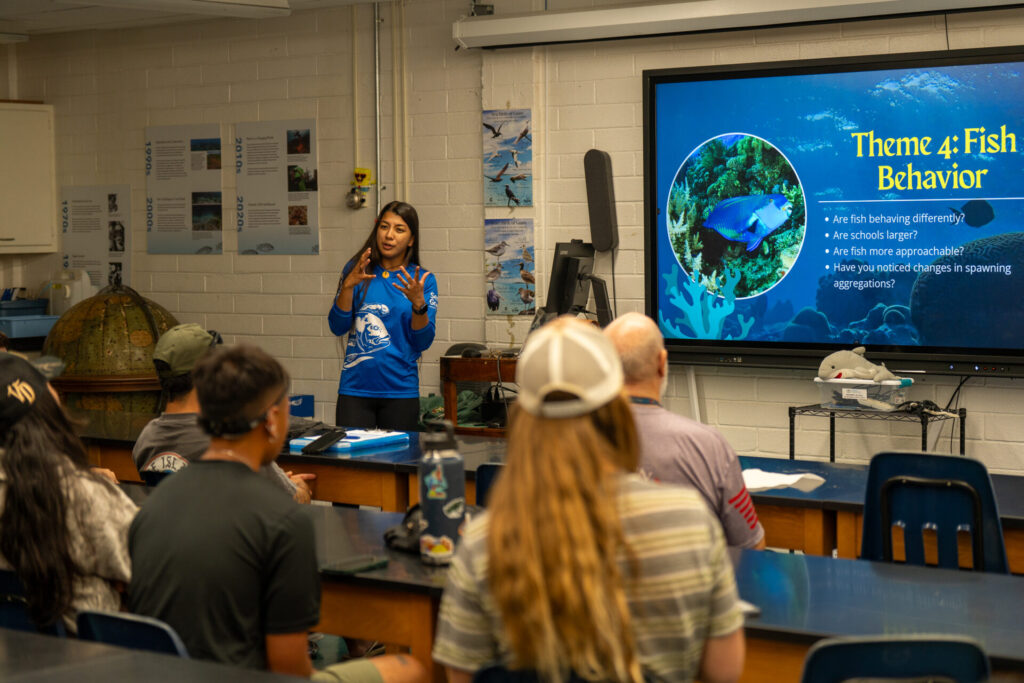
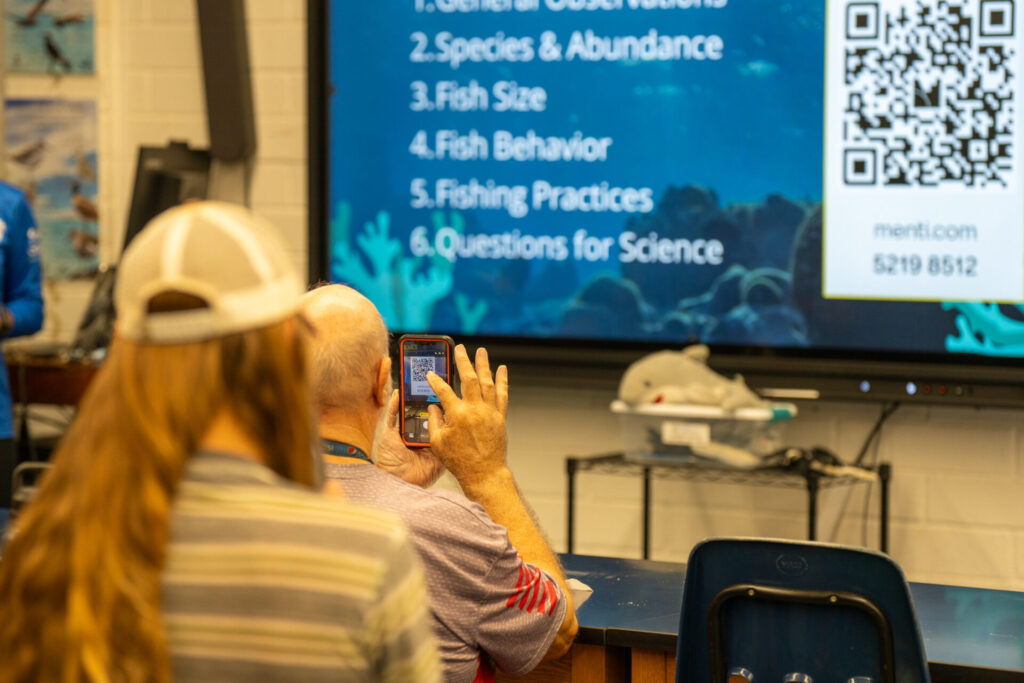
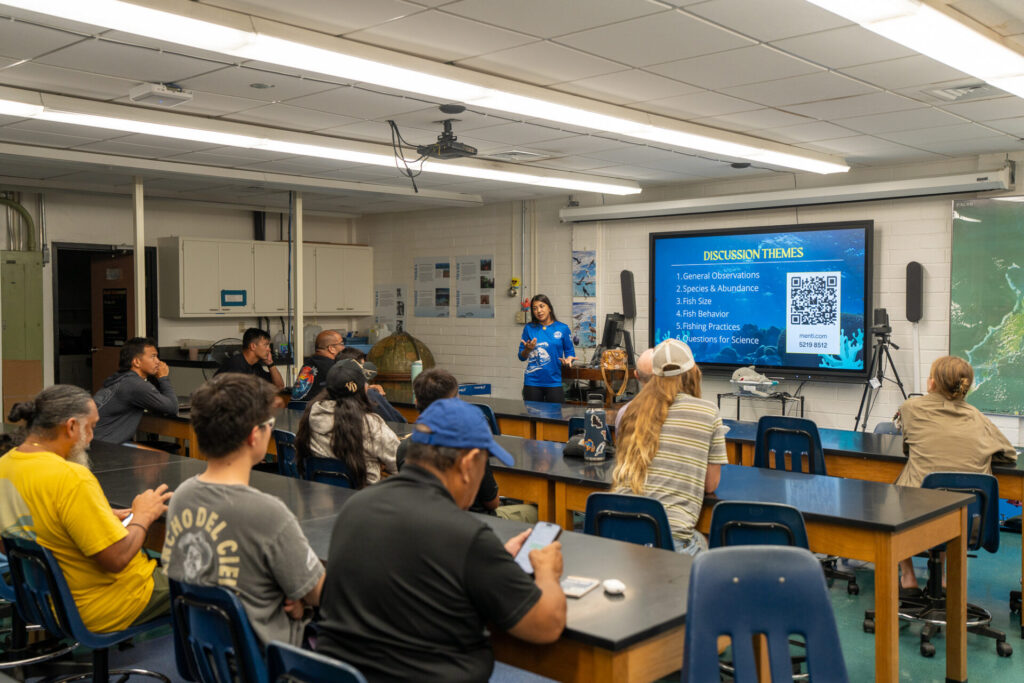
The forum provided a venue for 21 participants—ranging from new anglers to veteran fishers with over 20 years of experience—to share critical insights following the ban.
“The fisher forum was a space for fishers to discuss what they have been observing out on the water since the 2020 ban on SCUBA spearfishing. It was organized to hold space for these discussions, as we have been hearing them from fishers throughout the community, and for science to explore questions related to what the fishers have been observing,” said Leilani Sablan-Naden, program lead for Guihan for Guåhan.
Sablan-Naden outlined key insights from the forum regarding changes in fish populations and marine trends:
- Overall Abundance and Size: Fishers reported an overall increase in both fish abundance and size, though the impact varies across different species.
- Top Benefiting Species: Trevallies, wrasses (particularly Napoleon wrasse), unicornfishes, and groupers were identified as the top four fish families showing increased numbers.
- Emergence of Rare Catches: Coral trout, once a rare sight, has become one of the most common species landed by local fishers since the ban. Fishers have also reported sightings of juvenile atuhong (bumphead parrotfish).
Sablan-Naden also said some fishers noted no differences or decreasing abundance in certain areas like shallow-water areas where nighttime spearfishing is most prevalent. She said that those who practiced SCUBA spearfishing may have switched to shallow-water nighttime spearfishing.
Overall, she said the outcomes of the forum highlight the essential role that local observation plays in marine conservation.
“One of the most important outcomes from the forum was hearing firsthand observations from Guam’s fishing community about what they have experienced on the water since the SCUBA spearfishing ban. These observations provide valuable local ecological knowledge that can complement scientific monitoring,” Sablan-Naden said.
Looking ahead, she said Guihan for Guåhan aims to combine these community-driven observations with quantitative datasets to build a clear picture of Guam’s aquatic ecosystem health:
“Our next step is to compare these observations with both our community science catch data and fisheries-independent underwater survey data to see where the patterns align and where there may be differences. Together, these sources of information can provide a more complete understanding of how Guam’s reef fisheries may be changing over time and help inform future fisheries management.”
She added that the forum also highlighted the importance of long-term monitoring. “Management measures often take years to show measurable ecological responses, so maintaining consistent datasets is critical. Continued participation from Guam’s fishing community through initiatives like Guihan for Guåhan will help build the long-term record needed to evaluate fisheries trends, answer community questions, and support science-based management decisions for future generations.”
Following the discussion at the forum, Sablan-Naden said Guihan for Guåhan will analyze the qualitative observations alongside community catch data and underwater survey records before reporting back to local fishers to keep the dialogue going.
Guihan for Guåhån is a community science project by the University of Guam Center for Island Sustainability and Sea Grant that partners with local fishers to monitor and protect Guam’s marine resources