Food security and locally grown ingredients bring unique tastes to Maila’ ta fan Chesa
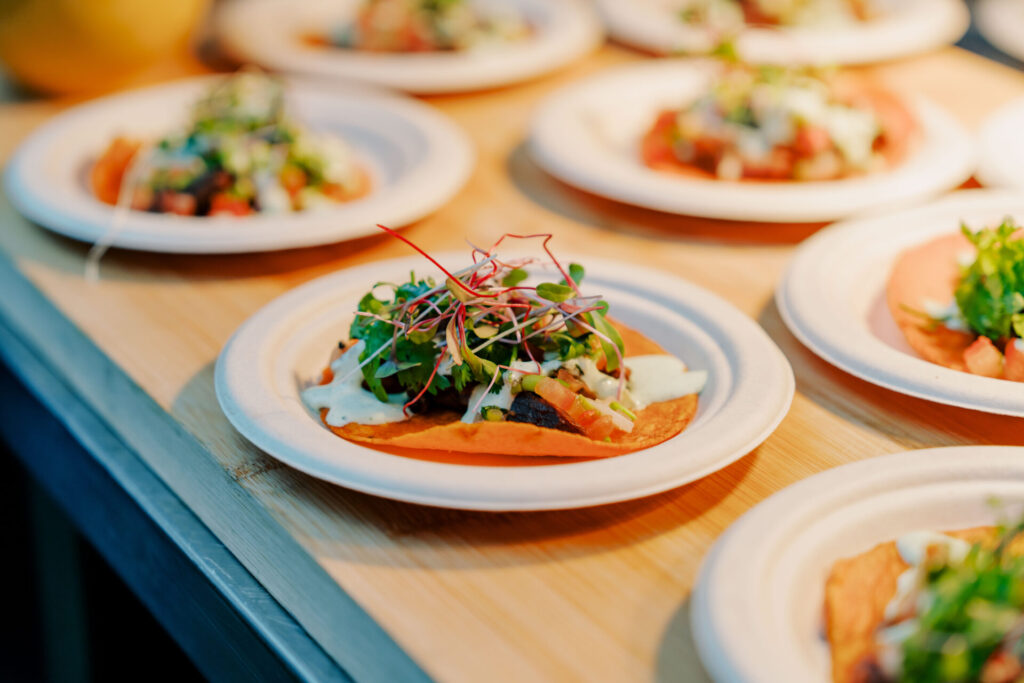
A plate filled with food grown on Guam represents more than a good meal. It represents an island becoming morae capable of feeding itself.
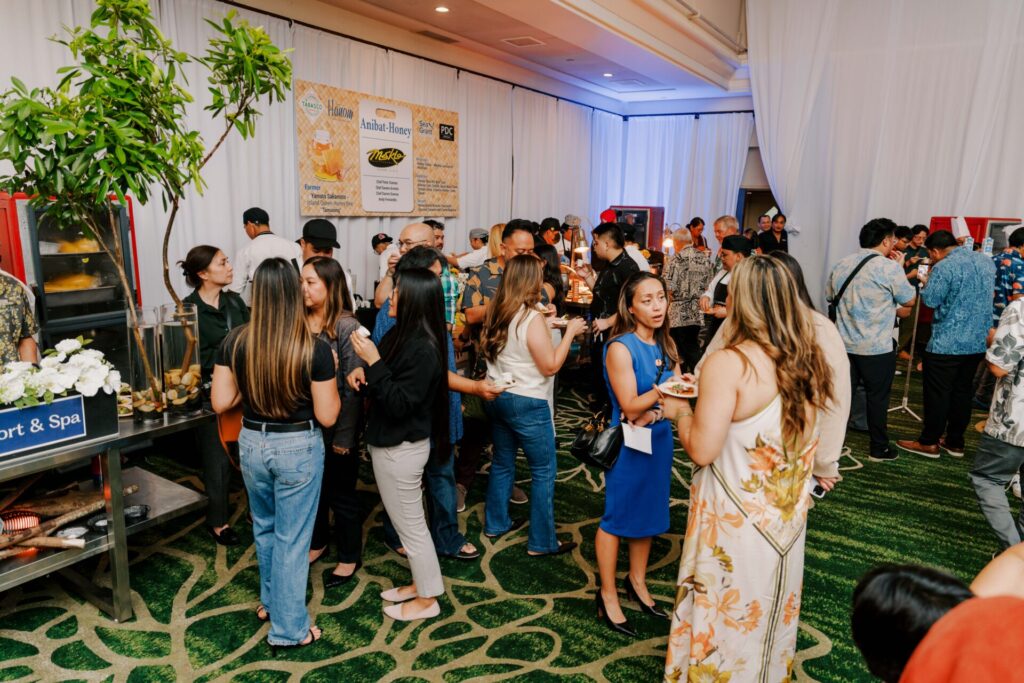
That message was at the heart of Maila’ Ta Fan Chesa, which brought together Guam’s chefs, farmers, food producers and sustainability advocates last month for an evening showcasing what is possible when locally produced food moves from Guam’s farms and aquaculture systems to the tables of island residents.
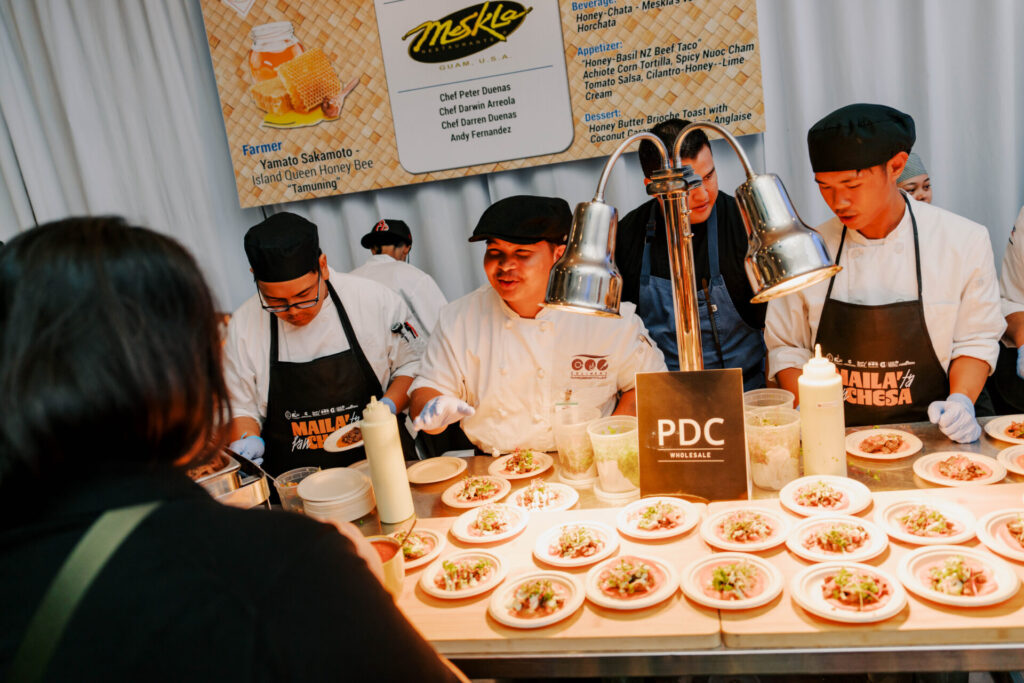
Held at the Hyatt Regency Guam Grand Ballroom, the annual culinary event featured some of the island’s leading chefs creating dishes centered around ingredients grown and raised on Guam.
The event was organized through a collaboration that included the Micronesian Chefs’ Association, American Culinary Federation Guam Chapter, University of Guam Center for Island Sustainability and Sea Grant, UOG Land Grant Extension Service, Guam Community College and other community partners.
While the evening celebrated Guam’s culinary talent, its larger message reached beyond the kitchen: strengthening Guam’s food security starts with increasing the island’s ability to grow, raise, prepare and consume its own food.
Throughout the ballroom, chefs transformed Guam-grown fruits and vegetables and locally sourced proteins into restaurant-quality creations, demonstrating the versatility of ingredients produced on island.
The farm-to-table approach helps build connections between two important parts of Guam’s food system — the people producing food and the businesses and consumers who can create demand for it.
For an island heavily dependent on imported food, strengthening those relationships is an important part of building a more resilient food system.
“Maila’ Ta Fan Chesa is more than a culinary event—it’s a celebration of Guam’s food system, our local producers, and the creativity of our chefs,” Micronesian Chefs’ Association President Peter Duenas said ahead of the event. “Every dish tells the story of our island and the partnerships that help strengthen food security and sustainability throughout our community.”
The event also supports the development of Guam’s future culinary workforce through programs benefiting students and emerging chefs — adding another piece to the food-security equation by building local capacity not only to produce food, but to prepare and market it.
The University of Guam Center for Island Sustainability and Sea Grant supported the event as part of its ongoing efforts to increase food security, sustainability and community resilience.
A major part of that effort is expanding the conversation about what “locally grown” can mean.
Along with vegetables and other agricultural products grown by Guam farmers, aquacultured fish provided another locally produced protein option, demonstrating the potential for aquaculture to complement traditional agriculture.
UOG CIS & Sea Grant’s aquaculture work promotes systems that can raise fish while simultaneously supporting vegetable production. Recirculating aquaponics systems combine fish, plants and microorganisms, allowing nutrients from the fish to support plant growth while water is reused within the system.
The approach provides a glimpse of how households and communities can produce both fresh vegetables and protein within a relatively small footprint.
UOG CIS & Sea Grant specialists were also present at Maila’ Ta Fan Chesa to share information about aquaponics and the university’s Community Backyard Aquaponics Systems program. An aquaponics system was offered as a giveaway during the event, extending the food-security message beyond the ballroom and into the community.
The work also aligns with broader sustainability goals by supporting local agriculture, expanding sustainable aquaculture, developing the island’s workforce and reducing pressure on natural resources.
One plate of locally grown food will not make Guam food secure.
But hundreds of farmers, chefs, researchers, students, businesses and families choosing to grow, raise, prepare and purchase local food can move the island closer to that goal.
Maila’ Ta Fan Chesa offered a taste of what that future could look like — a Guam where more of what reaches the dinner table begins right here at home.

Contact Us
303 University Drive
UOG Station
Mangilao, Guam 96913
Phone: (671)735-5631
Email: cis@uog.edu
seagrant@uog.edu
©2026 University of Guam
Sea Grant. All rights reserved.
303 University Drive UOG Station
Mangilao, Guam 96913
Phone: (671)-735-5631
Email: cis@uog.edu
seagrant@uog.edu
Contact Us
©2026 University of Guam
Sea Grant.
All rights reserved.