Gentle Giants of the Deep
Why Guam’s Manta Rays Matter to Our Ocean and Island
Discover how these magnificent marine animals contribute to ocean health, support biodiversity, and remind us of the importance of protecting Guam’s marine environment.
Gliding gracefully through the blue waters surrounding Guam, manta rays are among the ocean’s most remarkable creatures. With their enormous, wing-like fins and gentle movements, these marine giants are an unforgettable sight for divers, fishermen, and ocean enthusiasts fortunate enough to encounter them.
But beyond their impressive appearance, manta rays play an important role in maintaining healthy marine ecosystems, making their protection an important part of preserving Guam’s natural environment for future generations.
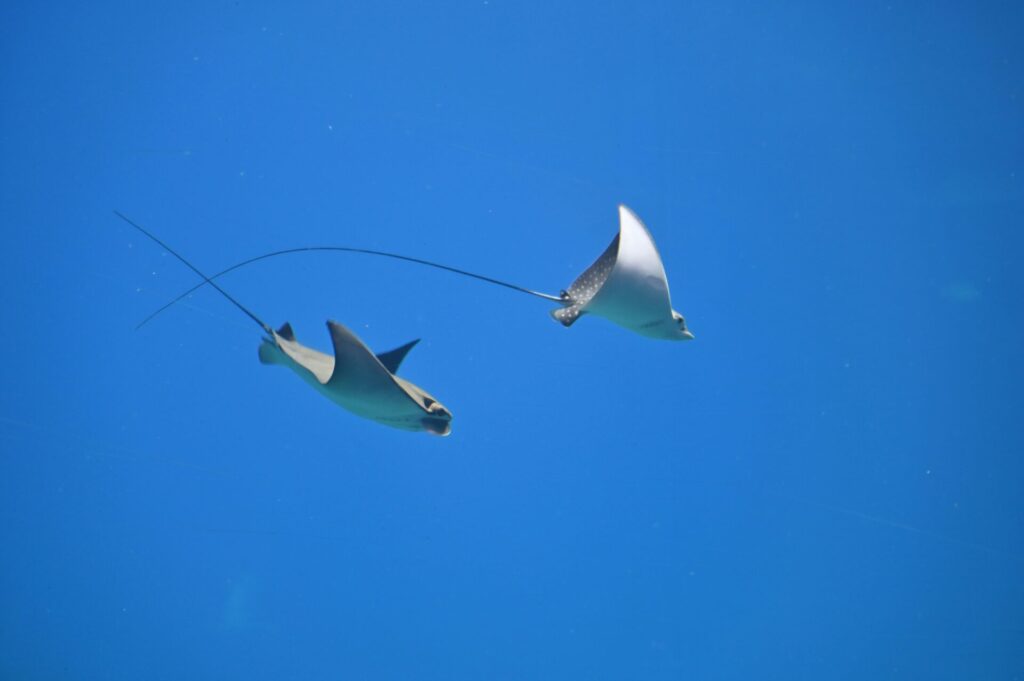
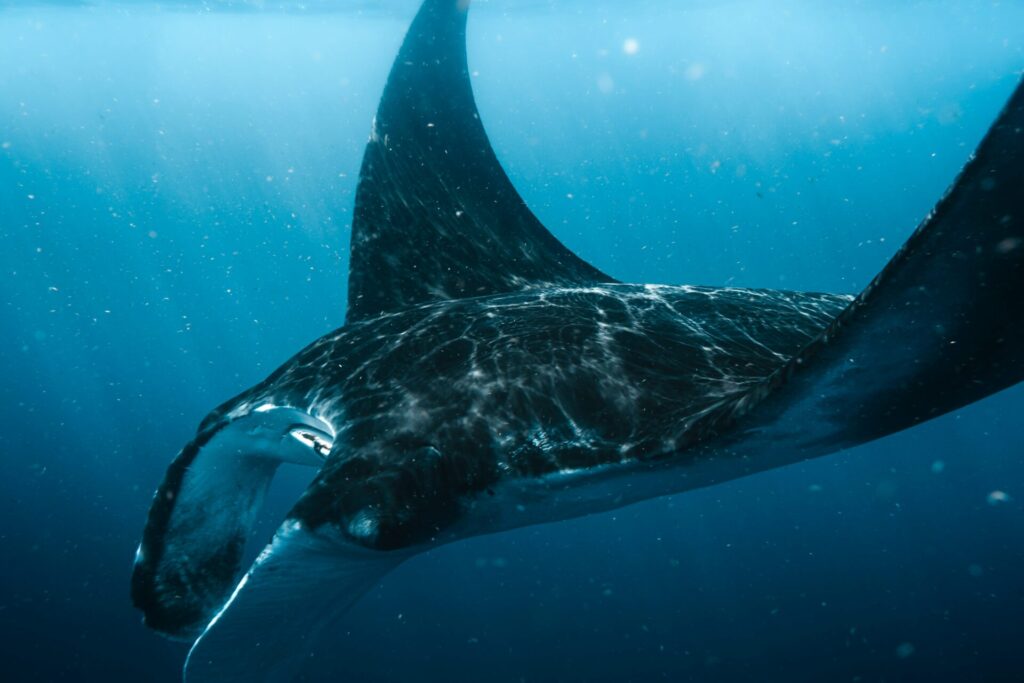
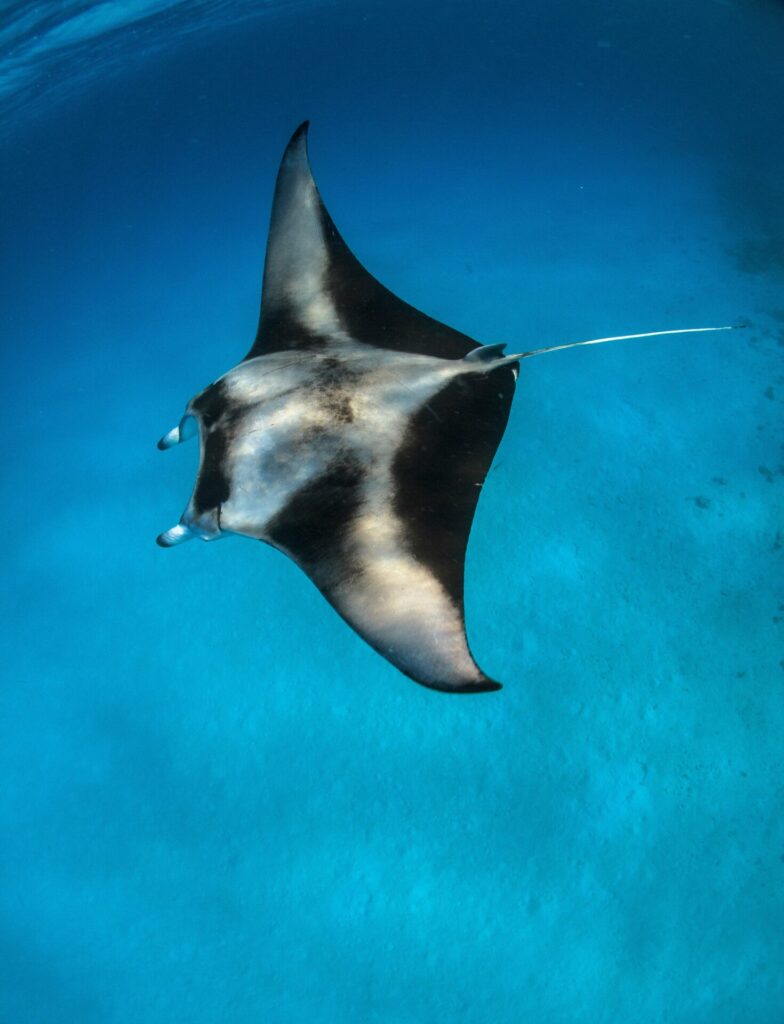
Known locally as Hafula’, the oceanic or giant manta ray (Mobula birostris) is a species found in tropical and subtropical waters throughout the world, including the waters surrounding the Mariana Islands. These magnificent animals can reach a wingspan of more than 20 feet, making them some of the largest rays in the ocean.
Despite their enormous size, manta rays are gentle filter feeders that primarily consume tiny organisms known as zooplankton. Unlike stingrays, manta rays do not possess a venomous tail barb and pose little threat to people.
An Important Part of Guam’s Marine Ecosystem
Manta rays contribute to the health of marine ecosystems in several important ways.
As filter feeders, they consume large quantities of plankton, helping influence the abundance and composition of these tiny organisms that form the foundation of marine food webs.
Their movements through different ocean depths also contribute to nutrient cycling, helping connect marine environments and redistribute nutrients throughout the water column.
According to the National Oceanic and Atmospheric Administration (NOAA), manta rays help regulate plankton communities and support the movement of nutrients between surface waters and deeper ocean environments.
Manta rays also have relationships with smaller reef fish. At cleaning stations, these fish remove parasites and dead tissue from the rays, providing an important service while gaining access to food.
These interactions demonstrate how marine species depend on one another and how the health of Guam’s reefs, coastal waters, and open ocean is interconnected.
Why Manta Rays Matter to Guam
For an island community surrounded by the Pacific Ocean, protecting marine biodiversity is about more than preserving wildlife. It is about maintaining the natural systems that support Guam’s environment, economy, and way of life.
Healthy marine ecosystems contribute to sustainable fisheries, recreational opportunities, tourism, and the cultural connections that generations of island residents have maintained with the sea.
Manta rays are also an important part of the ocean experience, attracting interest from divers, underwater photographers, marine researchers, and visitors hoping to witness these extraordinary animals in their natural habitat.
Their presence provides opportunities for scientific research and environmental education, helping residents and visitors better understand the importance of ocean conservation.
Each manta ray also has a unique pattern of spots on its underside, allowing researchers to identify individual animals through photographs. This provides valuable information about their movements, behavior, and populations.
For Guam, learning more about these animals can help scientists better understand how manta rays use the waters surrounding the Mariana Islands and identify areas that may be important for their survival.
Protecting a Vulnerable Species
Despite their size and strength, manta rays face serious threats around the world.
Overfishing, accidental capture in fishing equipment, marine debris, vessel collisions, and changing ocean conditions all threaten their survival.
Manta rays are especially vulnerable because they grow slowly and reproduce infrequently, making it difficult for populations to recover from significant losses.
The giant manta ray is listed as threatened under the United States Endangered Species Act and endangered on the International Union for Conservation of Nature Red List.
Guam has also established protections for sharks and rays, recognizing their ecological importance and the need to conserve these animals.
The Guam Department of Agriculture’s 2025 draft State Wildlife Action Plan identifies the oceanic manta ray as a species of conservation concern and highlights the need for additional research, public education, and sustainable marine tourism practices.
These efforts are particularly important as scientists continue working to better understand manta ray populations and movement patterns throughout the region
Everyone Has a Role in Ocean Conservation
Protecting manta rays begins with protecting the waters they call home.
Reducing plastic pollution, properly disposing of fishing lines and equipment, supporting sustainable fishing practices, and participating in coastal cleanups can help reduce threats to marine wildlife.
Divers, snorkelers, and boat operators can also help by observing manta rays from a respectful distance, avoiding physical contact, and allowing the animals to move naturally without disturbance.
Community members who encounter giant manta rays can contribute to scientific research by documenting sightings and sharing photographs and observations with NOAA Fisheries.
These small actions can make a meaningful difference in protecting one of the Pacific Ocean’s most extraordinary species.
For Guam, the manta ray represents more than an incredible encounter beneath the waves. It is a reminder of the beauty, complexity, and interconnectedness of our marine environment.
As our island continues working toward a more sustainable future, protecting species like the manta ray is an important part of safeguarding the ocean resources that sustain our communities.
By protecting these gentle giants, we are also helping protect the health of our ocean, the richness of our biodiversity, and the natural heritage of Guam for generations to come.

Contact Us
303 University Drive
UOG Station
Mangilao, Guam 96913
Phone: (671)735-5631
Email: cis@uog.edu
seagrant@uog.edu
©2026 University of Guam
Sea Grant. All rights reserved.
303 University Drive UOG Station
Mangilao, Guam 96913
Phone: (671)-735-5631
Email: cis@uog.edu
seagrant@uog.edu
Contact Us
©2026 University of Guam
Sea Grant.
All rights reserved.