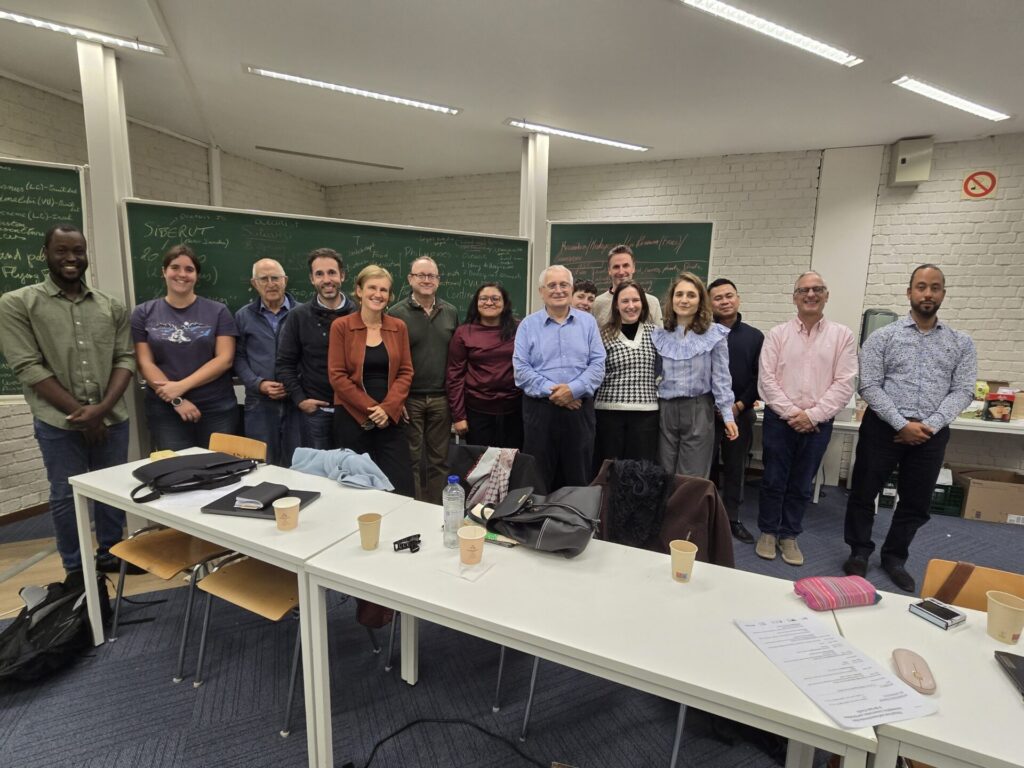
University of Guam Center for Island Sustainability and Sea Grant associate director for natural resources Else Demeulenaere, Ph.D., represented Guam at a prestigious international seminar on bat conservation at UCLouvain in Belgium, where researchers from across the Indo-Pacific region gathered to discuss the critical intersection of indigenous knowledge and species protection.
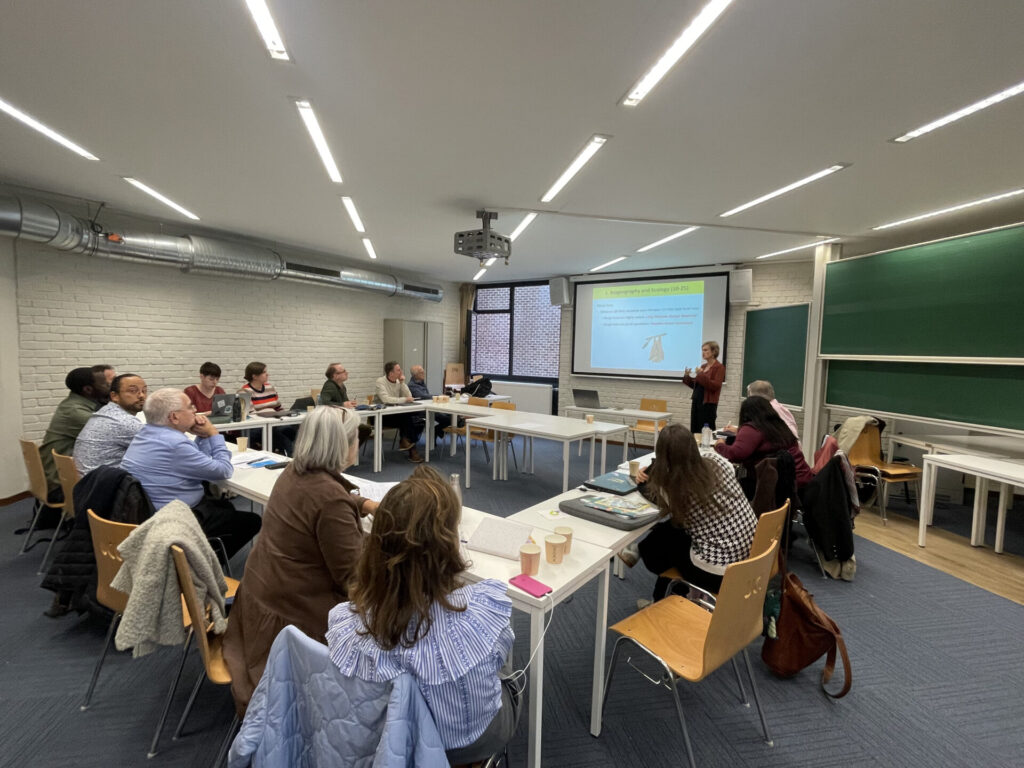
The two-day seminar brought together experts in anthropology, history, and biology to examine flying foxes, insectivorous bats, and their relationships with indigenous and local populations throughout the Indo-Pacific. Organized by Frédéric Laugrand as part of the ERC-interspecific project, the event addressed urgent issues including predation, traditional consumption practices, cultural representations, and conservation strategies for threatened bat species.
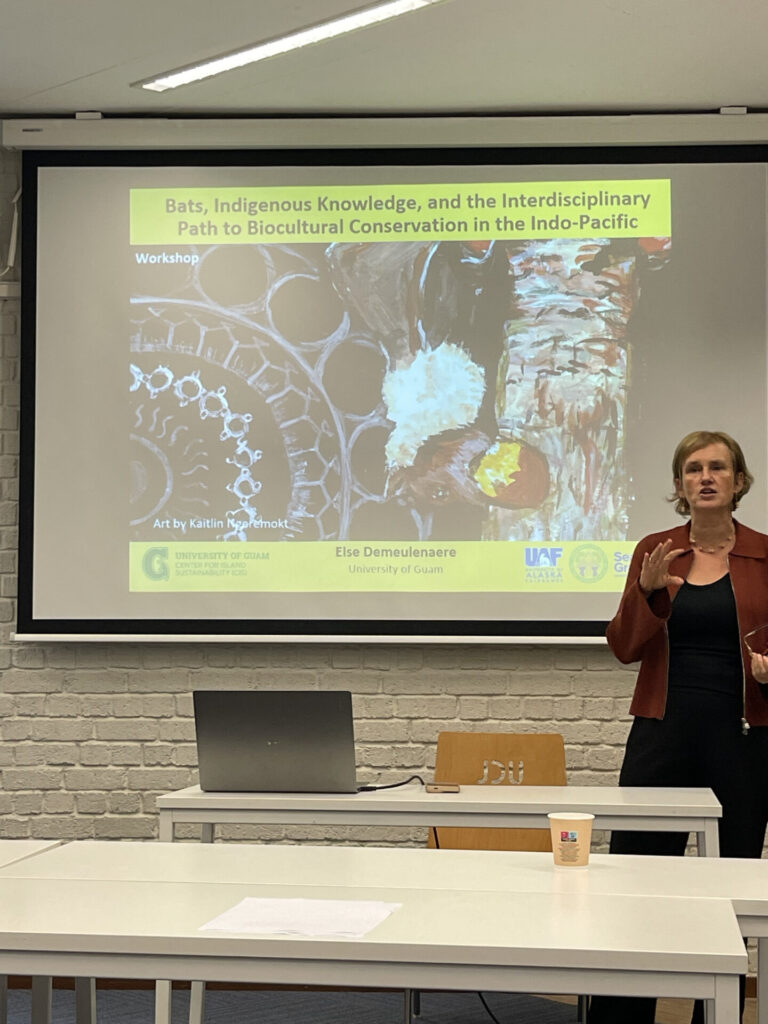
Demeulenaere delivered a presentation titled “Tastes of Memory, Cries of Survival: Protecting Fanihi and Fadang in a Changing Guåhan,” highlighting the cultural significance of Guam’s endangered Mariana fruit bat and the cycad plant fadang. She also led a workshop on “Fruit Bats, Indigenous Knowledge, and the Interdisciplinary Path to Biocultural Conservation in the Indo-Pacific.”
“It was inspiring to see researchers from across disciplines, anthropology, history, and biology, come together to explore new approaches to bat conservation and habitat protection,” Demeulenaere said. “The level of engagement in the workshop showed that integrating Indigenous knowledge is not only culturally important, but scientifically essential to protecting bats in a time of ecological crisis.”
The seminar addressed critical conservation challenges as many bat species face extinction threats. Participants explored how indigenous knowledge systems, including those of Austronesian-speaking populations, can inform modern conservation efforts and protect both the animals and their habitats.
Demeulenaere emphasized the broader implications of the gathering for Pacific Island communities. “This seminar created meaningful new connections across the Indo-Pacific region, and I look forward to future collaborations,” she said.
“Our island stories and conservation challenges are central to global conversation, especially as we work urgently to prevent the extinction of species that are culturally important and ecologically irreplaceable.”
The fanihi, or Mariana fruit bat, holds deep cultural significance in CHamoru tradition and plays a vital ecological role as a pollinator and seed disperser in Guam’s forests. The species has faced severe population decline due to hunting, habitat loss, and invasive species.